
-
Damascus Trapper Folding Knife with Cross Cutout & Stag Handle – Handcrafted Everyday Carry (4-Inch Blade)
Regular price $138.00 USDRegular price -
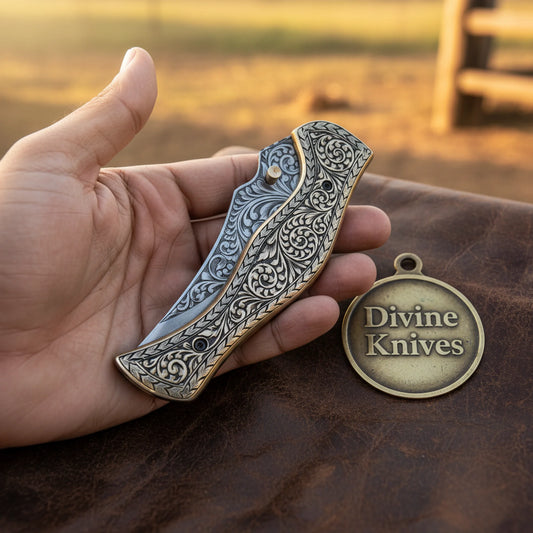
Hand-Engraved Folding Knife with Brass Handle – Handcrafted Liner Lock Pocket Knife, Art in Your Pocket
Regular price $299.00 USDRegular price -

Two-Blade Damascus Trapper Knife with Ram Horn Handle – Handcrafted Everyday Carry (3–4 Inch Blades)
Regular price $199.00 USDRegular price -
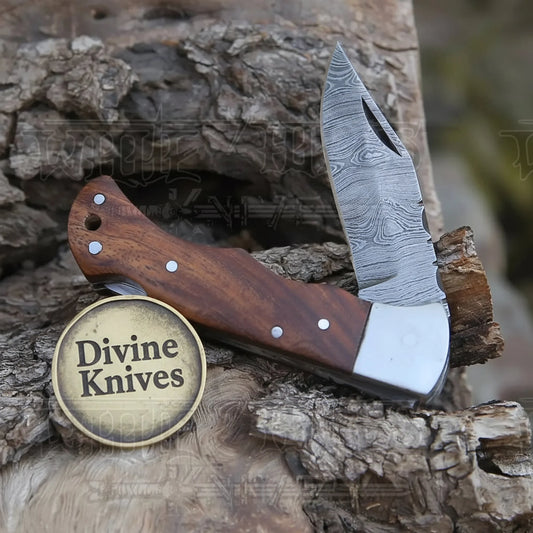
Two-Blade Damascus Trapper Knife with Rosewood Handle – Handcrafted Everyday Carry with Damascus Bolsters (3–4 Inch Blades)
Regular price $189.00 USDRegular price -
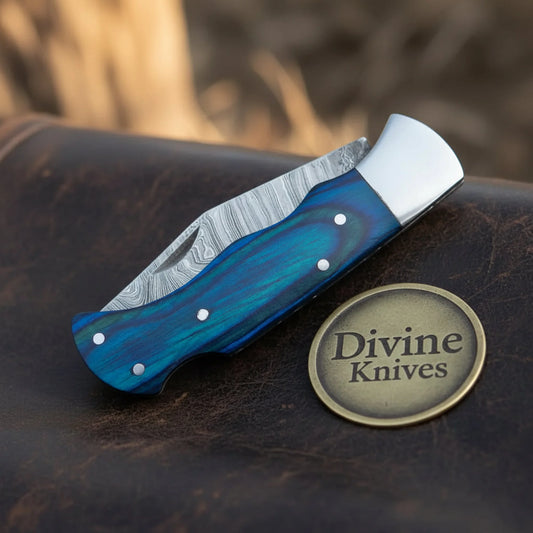
Blue Pakka Wood Handle Damascus Trapper Knife for Everyday Carry
Regular price $199.00 USDRegular price -
Twin Blade Camel Bone Trapper Knife Built for Anglers and Collectors
Regular price $188.00 USDRegular price -
Rosewood Handle Damascus Clip Point Knife for Precision Everyday Cutting
Regular price $99.00 USDRegular price -
Classic Double Blade Damascus Trapper Knife with Jigged Bone Grip
Regular price $187.00 USDRegular price -
Curved Blade Damascus Folder with Smooth Bone Handle and Linear Lock
Regular price $178.00 USDRegular price -
Hand Engraved Brass Handle Damascus Folding Knife for Collectors
Regular price $219.00 USDRegular price -
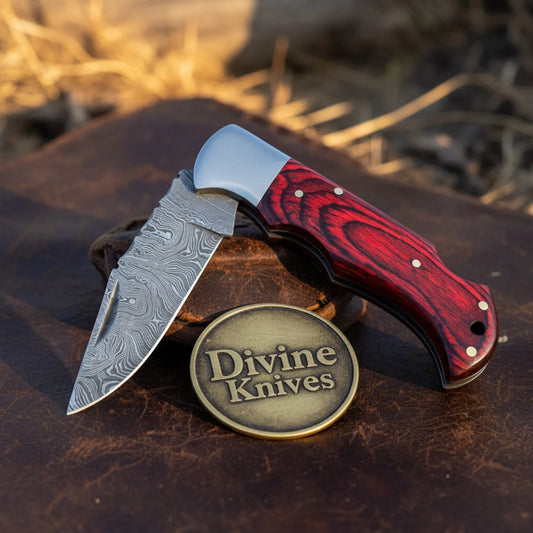
Red and Black Pakka Wood Damascus Folding Knife for Outdoor Use
Regular price $109.00 USDRegular price -
Ram Horn Handle Damascus Folding Knife with Linear Lock
Regular price $170.00 USDRegular price -
Laguiole Style Damascus Folding Knife with Brass Bolster and Corkscrew Tool
Regular price $169.00 USDRegular price -
Damascus Steel Folding Knife with Rosewood and Multi Color Pakka Wood Handle
Regular price $129.00 USDRegular price -
Damascus Linear Lock Folding Knife with Solid Damascus Steel Handle
Regular price $199.00 USDRegular price -
Compact Damascus Pocket Knife with Pink and Black Pakka Wood Handle
Regular price $129.00 USDRegular price -
Skeletonized Full Damascus Steel Folding Knife with Lightweight Handle
Regular price $229.00 USDRegular price -
Damascus Skinner Knife with Camel Bone Handle and Leather Sheath
Regular price $139.00 USDRegular price -
Damascus Linear Lock Folding Knife with Olive Wood Handle and Leather Pouch
Regular price $149.00 USDRegular price -
Damascus Drop Point Knife with Blue Pakka Wood Handle and Steel Bolsters
Regular price $148.00 USDRegular price










Folding Knives: Everyday Carry That Fits in a Pocket
A folding knife is a pocketknife whose blade pivots on a hinge and closes into the handle, making it compact and safe to carry every day. Folding knives fall into two families: traditional slip joints, like the trapper and stockman, that are held open by spring tension, and locking folders, like the lockback, that secure the blade with a mechanism until it is released. Both put a capable cutting edge in a pocket for daily tasks — opening packages, cutting cord, food, and general utility — without the bulk of a fixed blade or the need for a sheath.
This collection brings together 31 handcrafted folding knives, from classic multi-blade patterns to refined gentleman's carry and collector pieces in Damascus steel and mother of pearl. Each style below links to its own focused collection so you can compare by blade count, lock type, and handle material.
Types of Folding Knives in This Collection
Folding knives are grouped by their pattern, locking style, and handle. Knowing what each one is built for is the fastest way to pick the right carry.
- Trapper Folding Knife — a classic two-blade slip joint with a clip point and a spey, long favored for skinning and all-round everyday use.
- Stockman Folding Knife — a three-blade pattern (clip, sheepsfoot, and spey) that covers detail cutting, straight cuts, and utility in one pocketknife.
- Gentleman's Folding Knife — a slim, refined folder made for dress carry, light EDC, and discreet daily tasks.
- Lockback Folding Knife — a locking folder with a spine-mounted lock that holds the blade firmly open for safer, heavier cutting and releases with a press.
- Canoe Folding Knife — named for its canoe-shaped frame, a balanced two-blade traditional folder with timeless looks.
- Western Pocket Knife — compact folders in classic Western styling, sized for true everyday pocket carry.
- Bone Handle Folding Knife — finished with natural bone scales that grip well and develop character with use.
- Stag Handle Folding Knife — fitted with natural stag antler for a traditional look and a warm, one-of-a-kind handle.
- Mother of Pearl Folding Knife — dressed in iridescent pearl scales, a standout choice for collectors and gifts.
- Damascus Folding Knife — built with a layered, patterned Damascus blade that pairs collector appeal with a keen high-carbon edge.
Blade Steel, Lock Type, and Handle Materials
A folding knife's performance comes down to three attributes: how the blade is made, how it stays open, and what covers the handle.
Blade steel. High-carbon steel takes a sharp edge and resharpens easily, which suits a working pocketknife; it needs light oiling to resist rust. Damascus steel delivers the same high-carbon edge with a distinctive layered pattern prized on collector folders.
Lock type. Slip-joint patterns such as the trapper, stockman, and canoe use spring tension to hold the blade open and are simple and pocket-friendly. Locking folders such as the lockback fix the blade open until released, adding security for firmer cutting tasks.
Handle materials. Bone, stag antler, mother of pearl, and hardwood scales each balance grip, durability, and looks. Brass or nickel-silver bolsters add weight and a finished feel, while natural materials make every knife slightly unique.
Carrying and Caring for a Folding Knife
Folding knives carry in a pocket, pouch, or on a clip, and their compact size makes them legal to carry in most places — check local blade-length and locking rules before daily use. To keep a folder working smoothly, keep the pivot clean and lightly lubricated, wipe a high-carbon blade dry and oil it after use to prevent rust, and sharpen on a whetstone rather than a powered grinder, which can overheat the edge. Kept clean and oiled, a quality folder lasts for decades.
Frequently Asked Questions
What is a folding knife?
A folding knife is a pocketknife with a blade that pivots on a hinge and closes into the handle, making it compact and easy to carry for everyday cutting tasks.
What is the difference between a slip joint and a lockback folder?
A slip joint is held open by spring tension and folds shut under pressure, while a lockback uses a spine-mounted lock to hold the blade firmly open until you release it, giving more security for heavier cuts.
What is the difference between a trapper and a stockman folding knife?
A trapper carries two blades, a clip point and a spey, while a stockman carries three — clip, sheepsfoot, and spey — making the stockman the more versatile multi-blade option.
Are folding knives good for everyday carry?
Yes. Their pivoting blade and compact size make folders the standard choice for everyday carry, from gentleman's folders for dress carry to multi-blade traditional patterns for utility.
What steel is best for a folding knife?
High-carbon steel is a strong choice for its sharp, easily resharpened edge, while Damascus steel offers the same high-carbon performance with a distinctive layered pattern favored by collectors.
How do I care for a folding knife?
Keep the pivot clean and lightly lubricated, wipe high-carbon blades dry and oil them after use to prevent rust, and sharpen on a whetstone. Stored clean and dry, a folder stays reliable for years.
