
-
Blue Handle Damascus Folding Knife Set with Carrying Pouch
Regular price $178.00 USDRegular price -
Blue Resin Handle Damascus Straight Razor for Traditional Shaving
Regular price $176.00 USDRegular price -
Two-Tone Horn Handle Damascus Straight Razor
Regular price $166.00 USDRegular price -
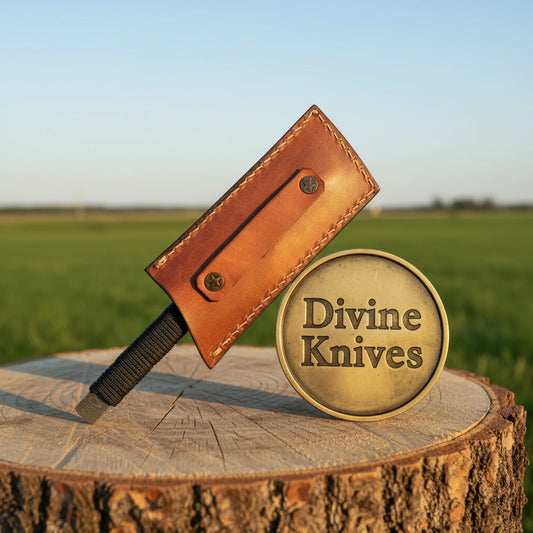
Compact Damascus Mini Cleaver with Cord-Wrapped Handle
Regular price $177.00 USDRegular price -
Scrimshaw Damascus Straight Razor with Bone Handle – Handcrafted Cut-Throat Razor with Nautical Art
Regular price $144.00 USDRegular price -
Damascus Straight Razor with Rosewood Handle & Turquoise Pin – Handcrafted Cut-Throat Razor with Western Accent
Regular price $188.00 USDRegular price -
Damascus Straight Razor with Olive Wood Handle & Leather Pouch – Handcrafted Cut-Throat Razor for Travel
Regular price $189.00 USDRegular price -
Damascus EDC Knife with Cord-Wrapped Handle – Handcrafted Everyday Carry Blade with Western Sheath
Regular price $155.00 USDRegular price -
Damascus Straight Razor with Bone & Horn Handle – Handcrafted Cut-Throat Razor & Classic Gift
Regular price $149.00 USDRegular price -
Full Damascus Straight Razor – Handcrafted All-Steel Cut-Throat Razor with 4-Inch Blade
Regular price $166.00 USDRegular price -
Twisted Damascus Straight Razor with Blue & Black Handle – Handcrafted Cut-Throat Razor with 4-Inch Edge
Regular price $125.00 USDRegular price -
Olive & Tali Wood Damascus Straight Razor – Handcrafted Cut-Throat Razor with Brass Pins
Regular price $167.00 USDRegular price -
Blue Pakkawood Damascus Straight Razor – Handcrafted Cut-Throat Razor with 3–4 Inch Blade
Regular price $139.00 USDRegular price -

All Steel Damascus Straight Razor with Sheath – Handcrafted Cut-Throat Razor with 4-Inch Blade
Regular price $159.00 USDRegular price -

Green Pakkawood Damascus Straight Razor with Mosaic Pin – Handcrafted 4-Inch Cut-Throat Razor
Regular price $166.00 USDRegular price -
Damascus Straight Razor Set of 5 with Leather Pouch – Handcrafted Cut-Throat Razor Collection
Regular price $239.00 USDRegular price -

Damascus Straight Razor with Leather Pouch – Handcrafted All-Steel Cut-Throat Razor, Ready to Gift
Regular price $167.00 USDRegular price -
Rosewood & Tali Damascus Straight Razor – Handcrafted Cut-Throat Razor with Brass Pins & Sheath
Regular price $155.00 USDRegular price -
Green & Black Pakkawood Damascus Straight Razor – Handcrafted Cut-Throat Razor with Display Box
Regular price $134.00 USDRegular price -
Black & Olive Wood Damascus Straight Razor – Handcrafted Cut-Throat Razor with 4-Inch Edge
Regular price $178.00 USDRegular price




Handmade Barber Razors: The Traditional Straight Shave
A barber razor, also called a straight razor or open razor, is a single-edged blade that folds into a handle and delivers the closest traditional shave possible. Unlike disposable cartridges, a straight razor uses one continuous blade that is stropped before each shave and honed periodically, so it can be maintained and used for a lifetime. It is the tool barbers reach for to create clean lines, sharp beard details, and a smooth, close finish that cartridge and electric shavers cannot match. A handmade razor adds individually forged steel and fitted scales, making each piece both a working tool and a lasting object.
This collection brings together 33 handcrafted barber razors with high-carbon and Damascus blades and natural handle materials. Whether you are a barber building a kit or a wet-shaving enthusiast, the guidance below explains how to choose and care for a straight razor.
How Straight Razors Differ: Grind, Point, and Width
Straight razors are described by three attributes. Understanding them is the fastest way to pick a razor that matches your skill level and shaving style.
- Blade grind — a full hollow grind removes the most steel, creating a light, flexible blade with audible feedback that many shavers prefer. A half or quarter hollow is slightly stiffer, and a wedge grind is the heaviest and most rigid, favored for coarse or heavy beards.
- Blade point — a round point is forgiving and beginner friendly, with no sharp tip to nick the skin. A square point cuts precise lines and is ideal for detailing and edging but demands more control. French and Spanish points sit between the two.
- Blade width — measured in eighths of an inch, common widths run from 5/8 to 7/8. A 5/8 to 6/8 blade is the most versatile and easy to handle, while wider blades hold more lather and suit experienced users.
- Blade steel — high-carbon steel takes an exceptionally keen edge and is easy to hone, though it needs drying and oiling to resist rust. Damascus steel offers the same high-carbon performance with a layered, patterned finish prized by collectors.
- Scales (handle) — the two covers that protect the folded blade are made from wood, bone, horn, resin, or micarta, balancing grip, durability, and looks.
How to Choose a Barber Razor
Match the razor to your experience and purpose. New wet shavers are best served by a round-point, full hollow blade in a 5/8 to 6/8 width, which is forgiving and gives clear feedback. Barbers who need crisp line-ups and beard detailing benefit from a square-point blade for precision. Those with heavy or coarse beards may prefer a stiffer half hollow or wedge grind. Collectors and gift buyers often choose a Damascus blade or a distinctive scale material for standout character. Whatever the build, a handmade razor rewards proper maintenance with a smoother shave over time.
Caring for a Straight Razor: Stropping, Honing, and Storage
A straight razor stays sharp through two routines. Strop the blade on a leather strop before every shave to realign and refine the edge, drawing the spine-first stroke away from the cutting edge. Hone the razor on a whetstone only occasionally, when stropping no longer restores keenness. After each shave, rinse the blade, dry it completely, and apply a thin coat of mineral or camellia oil to prevent rust, since high-carbon steel corrodes if left damp. Store the razor open and dry until the blade is fully dry, then fold it into its scales. Handled this way, a quality razor lasts for decades.
Frequently Asked Questions
What is a barber razor?
A barber razor, or straight razor, is a single-edged folding blade used for shaving. It delivers a very close traditional shave and is maintained by stropping and occasional honing rather than being thrown away.
What is the difference between a straight razor and a shavette?
A traditional straight razor has a fixed, honed blade that is stropped and reused for years, while a shavette uses disposable replaceable blades. The razors in this collection are honed straight razors built to be maintained and kept.
Which straight razor is best for beginners?
A round-point blade with a full hollow grind in a 5/8 to 6/8 width is the most forgiving choice for beginners, since the rounded tip reduces nicks and the hollow grind gives clear feedback during the shave.
How do I keep a straight razor sharp?
Strop the blade on leather before each shave to maintain the edge, and hone it on a whetstone only occasionally when stropping no longer restores sharpness.
How do I stop a barber razor from rusting?
Rinse and dry the blade completely after each shave, then apply a thin coat of mineral or camellia oil. High-carbon razor steel rusts if left damp, but drying and oiling prevent it.
What blade width should I choose?
A 5/8 to 6/8 blade is the most versatile and easiest to control for most shavers, while wider blades hold more lather and are generally preferred by experienced users.
